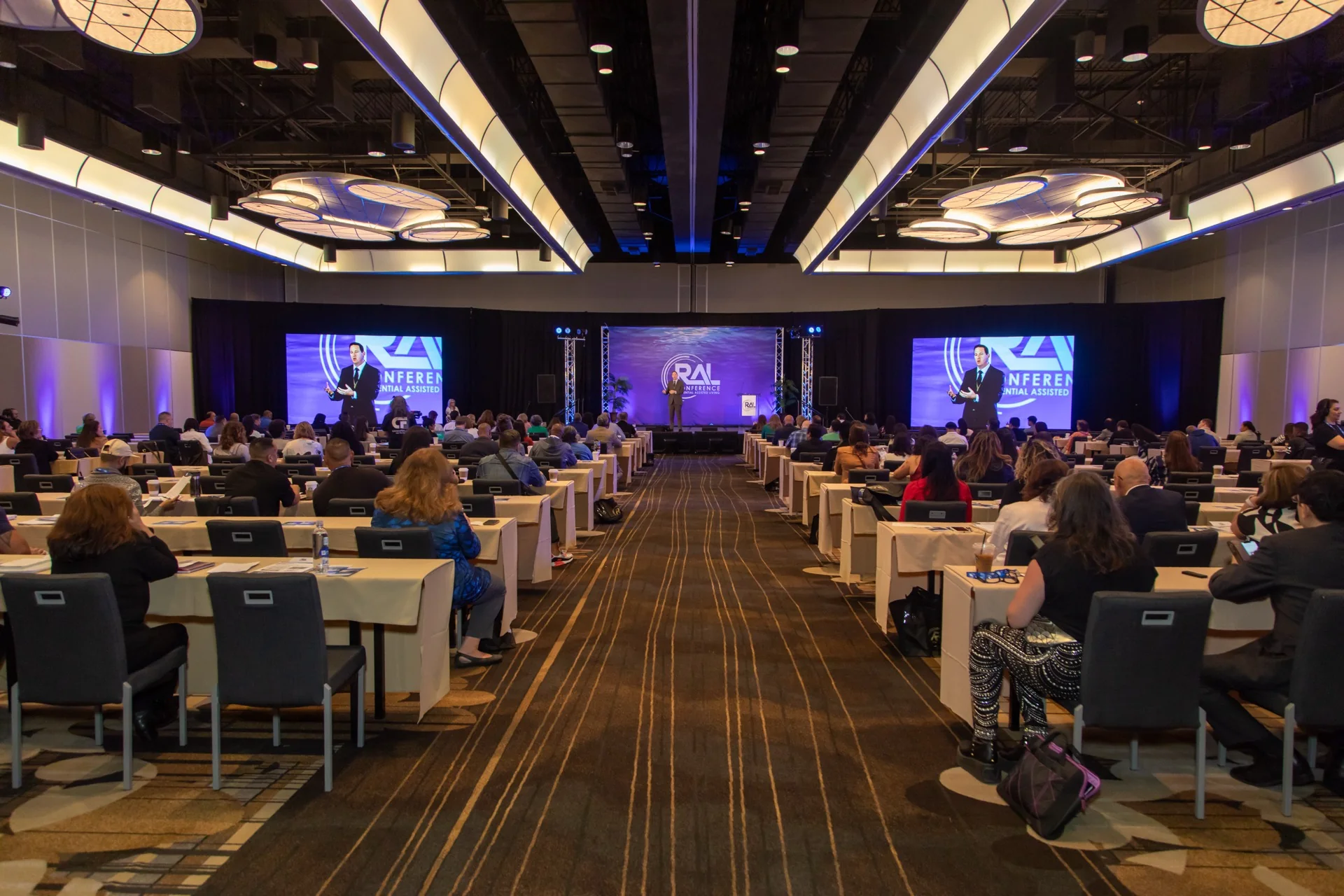
This is usually the first real planning question once a company decides to film its conference, and the honest answer is: it depends on the room, not on a fixed rule. Here is how it actually breaks down.
Two Cameras — Small, Single-Track Events
For a seminar or a single-room event under about 200 people, two cameras cover it properly: one wide shot holding the whole stage, one closer camera on the speaker's face. This is enough to cut a clean edit afterwards, though it will not stand up to a live IMAG feed — with only two sources, a live cut has nowhere to go when the operator needs to change the shot.
Three to Four Cameras — Most Corporate General Sessions
Four cameras is the most common setup for a corporate general session or a conference keynote: a wide, two tighter angles on the speaker, and a dedicated feed for any slides or presentation content. This is also the practical minimum if the room needs a live IMAG feed to the screens, since a live cut needs somewhere to go while the previous shot is still on air.
Concurrent Breakout Rooms Change the Maths Entirely
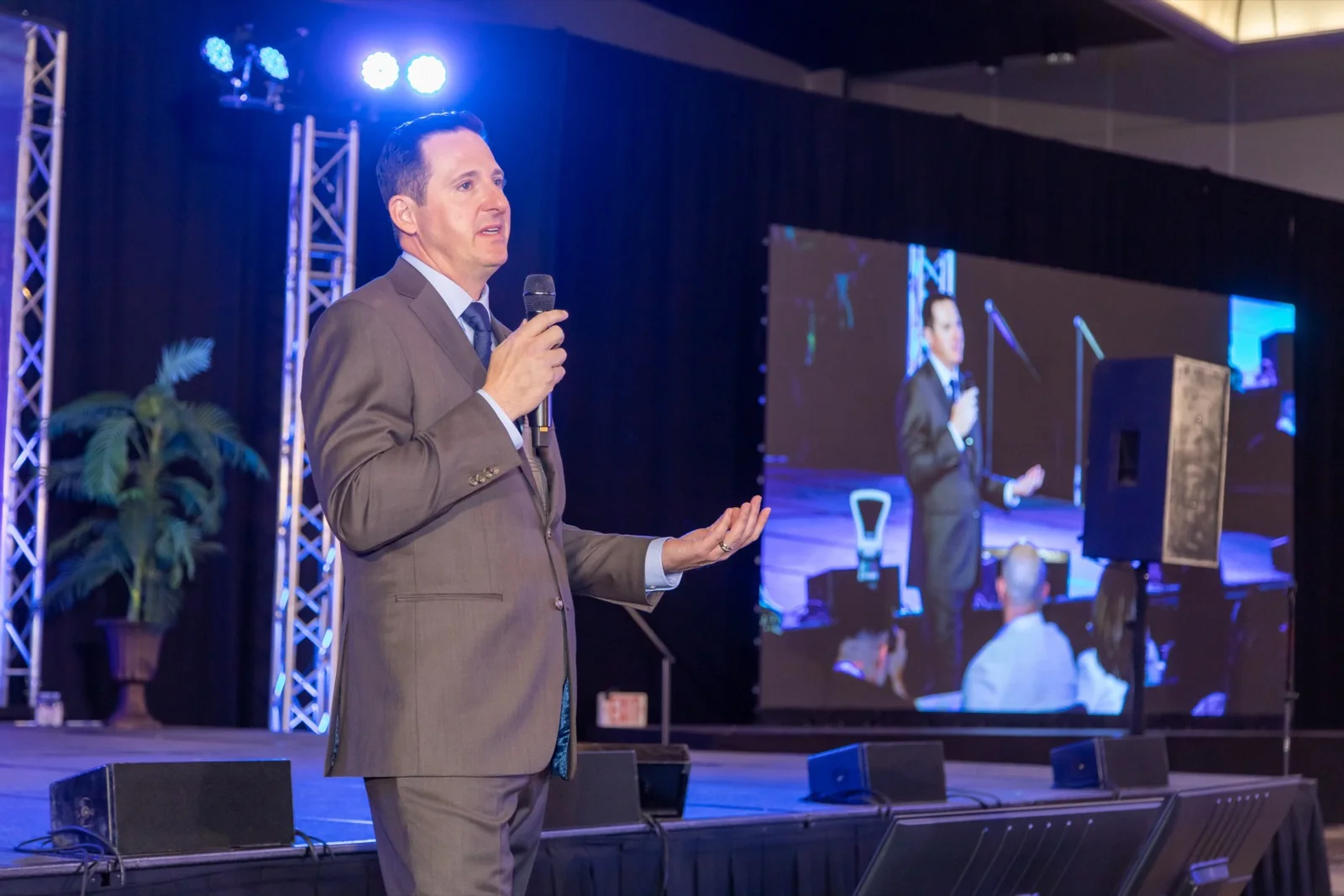
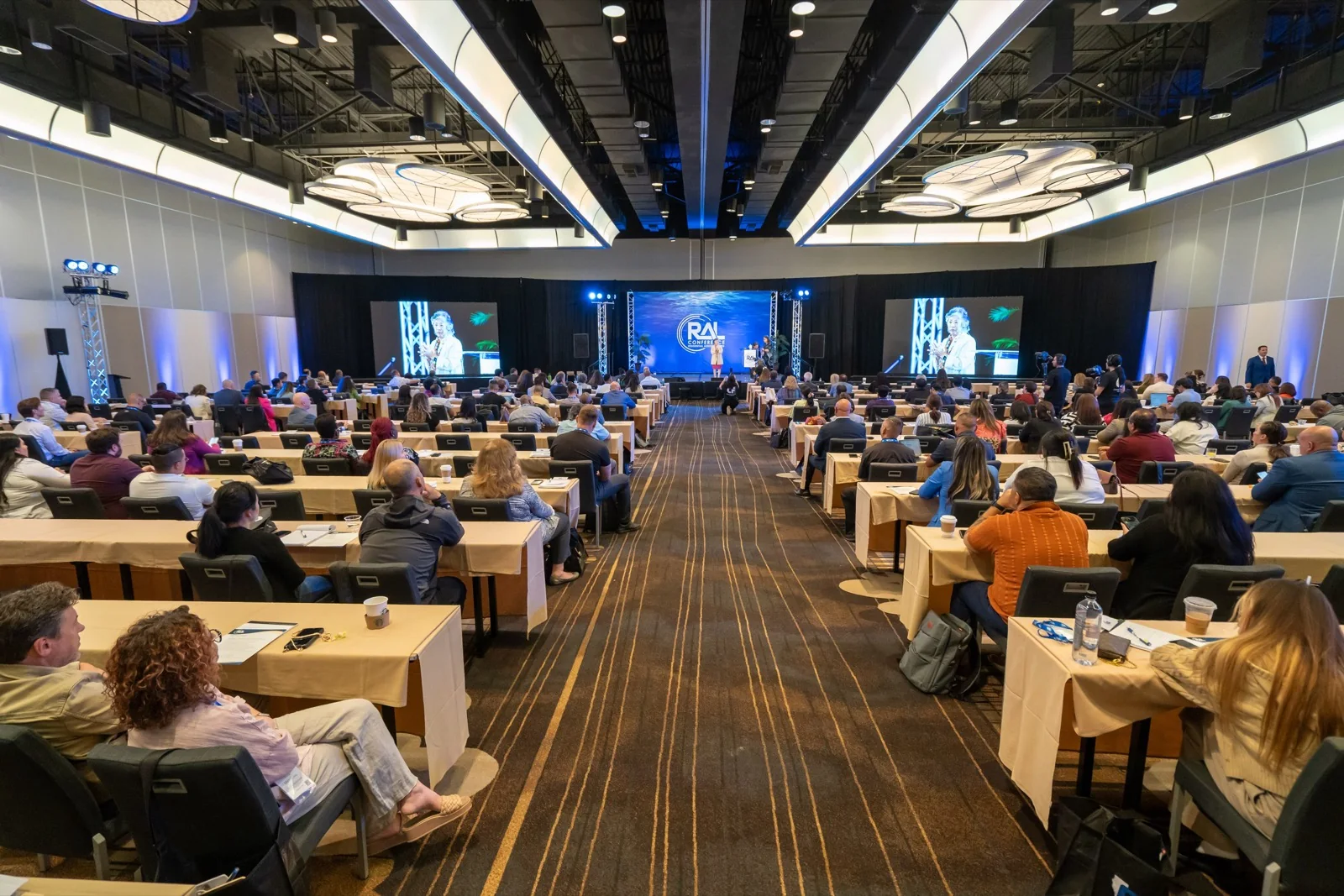
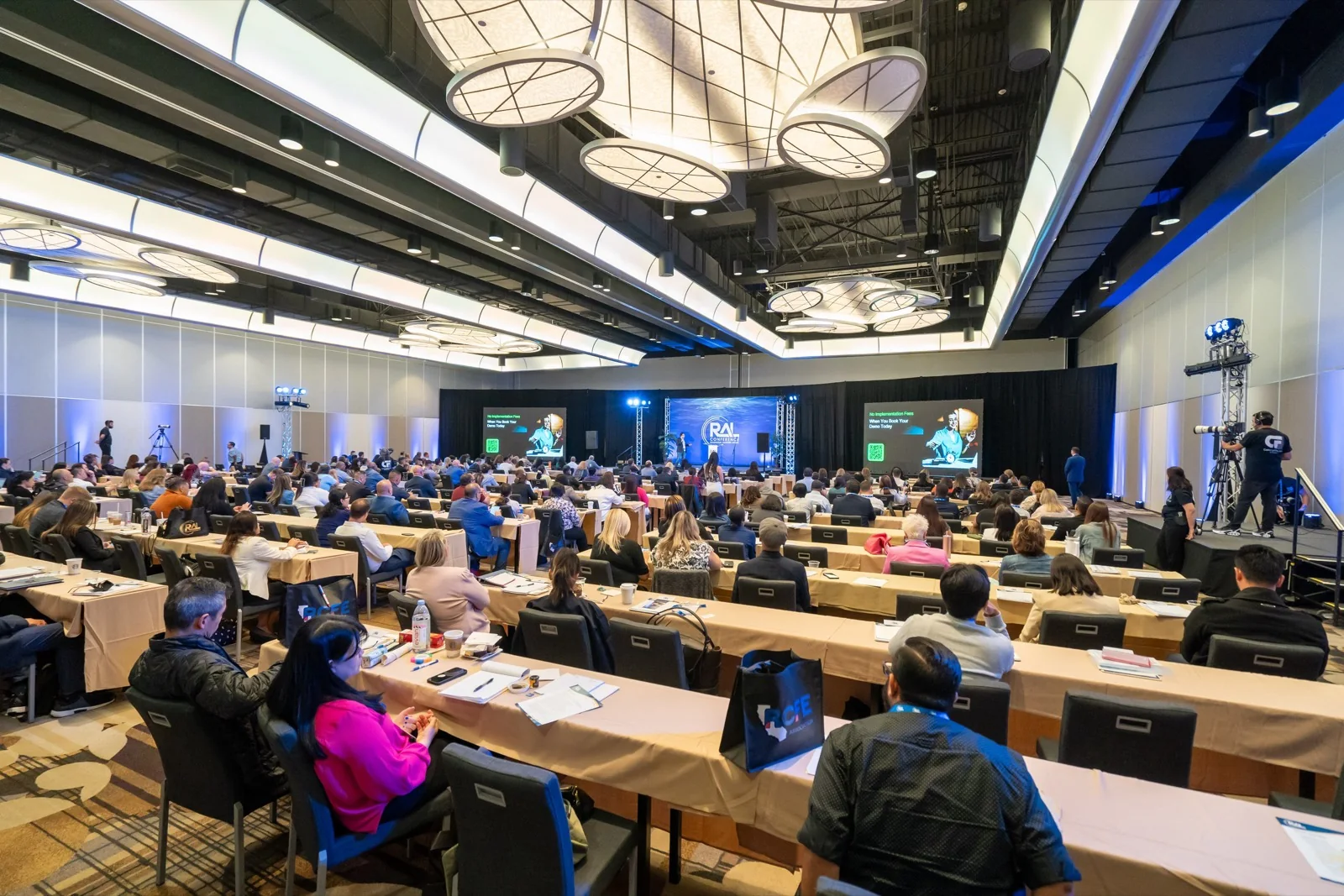
None of the above accounts for a programme with parallel tracks. A main general session plus three breakout rooms running at the same time is four separate camera setups happening simultaneously, not one crew moving between rooms. We ran exactly this on a recent three-day Los Angeles conference: a multi-camera main stage with IMAG, plus three breakout rooms each covered in full, session by session, for the entire programme.
Panels Need More Angles Than a Single Speaker
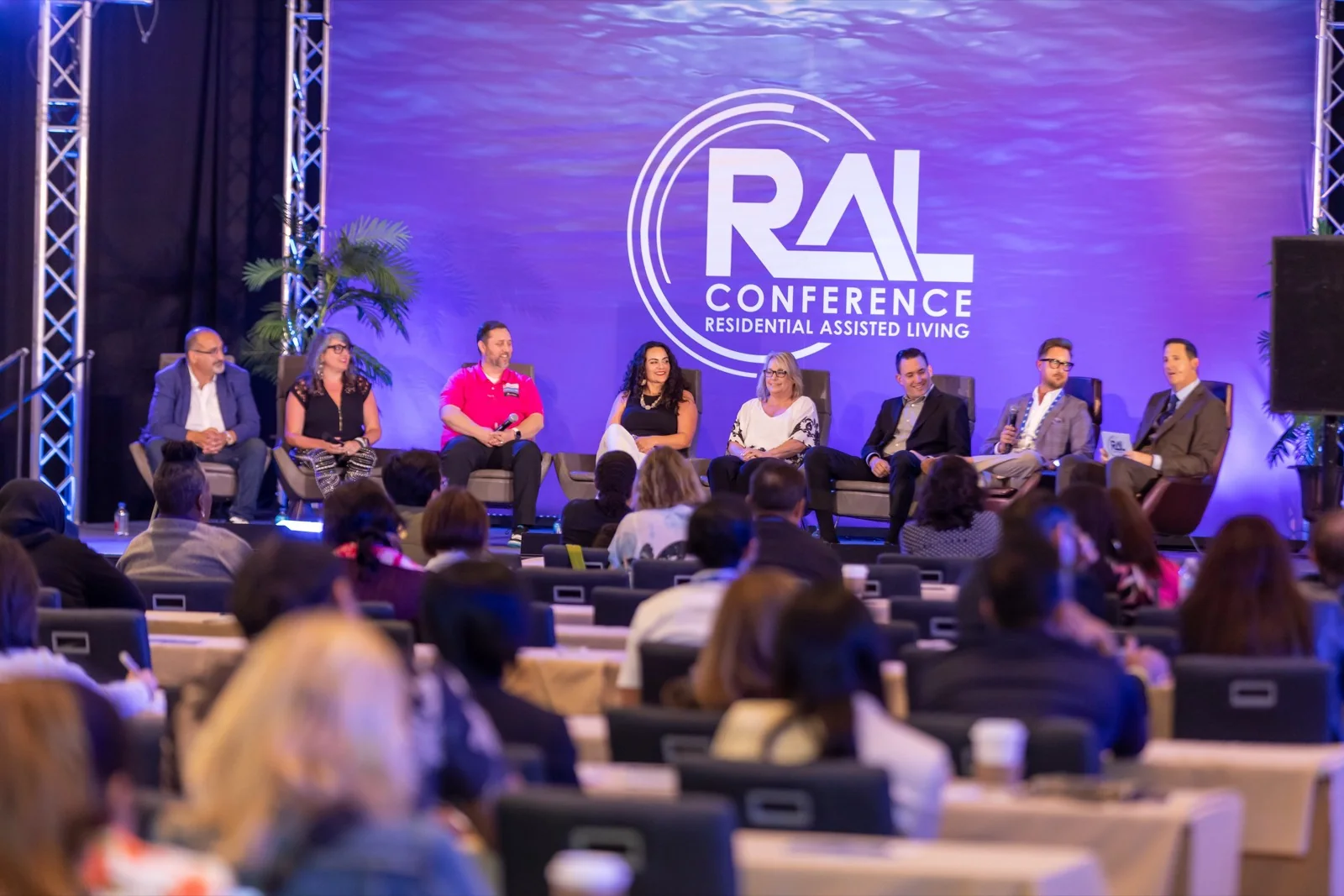
A panel with five or six people on stage genuinely needs more coverage than one speaker at a podium — a wide shot alone leaves you cutting to a static frame every time someone else answers. Two to three cameras lets an editor actually cut to whoever is speaking, which is the difference between a panel that's watchable and one that isn't.
Six or More — Large-Scale Programmes
Award ceremonies, large keynotes and high-profile conferences with big audiences or multiple stage elements can genuinely use six or more cameras — audience reaction shots, wide house shots, and coverage of anything happening off the main stage. Most corporate conferences do not need this, but it is worth knowing the ceiling exists before assuming more cameras always means a better film. Past a certain point, more cameras mainly buys you options in the edit, not a visibly different result on screen.
The Question to Actually Ask
Rather than starting from a camera count, start from the room: how many concurrent tracks, does the general session need IMAG, and how many people will be on stage at once. The camera count follows from that, not the other way round.
If you have a run of show, we can tell you honestly how many cameras your event actually needs — and where two would be a waste of budget and where four would be too few.