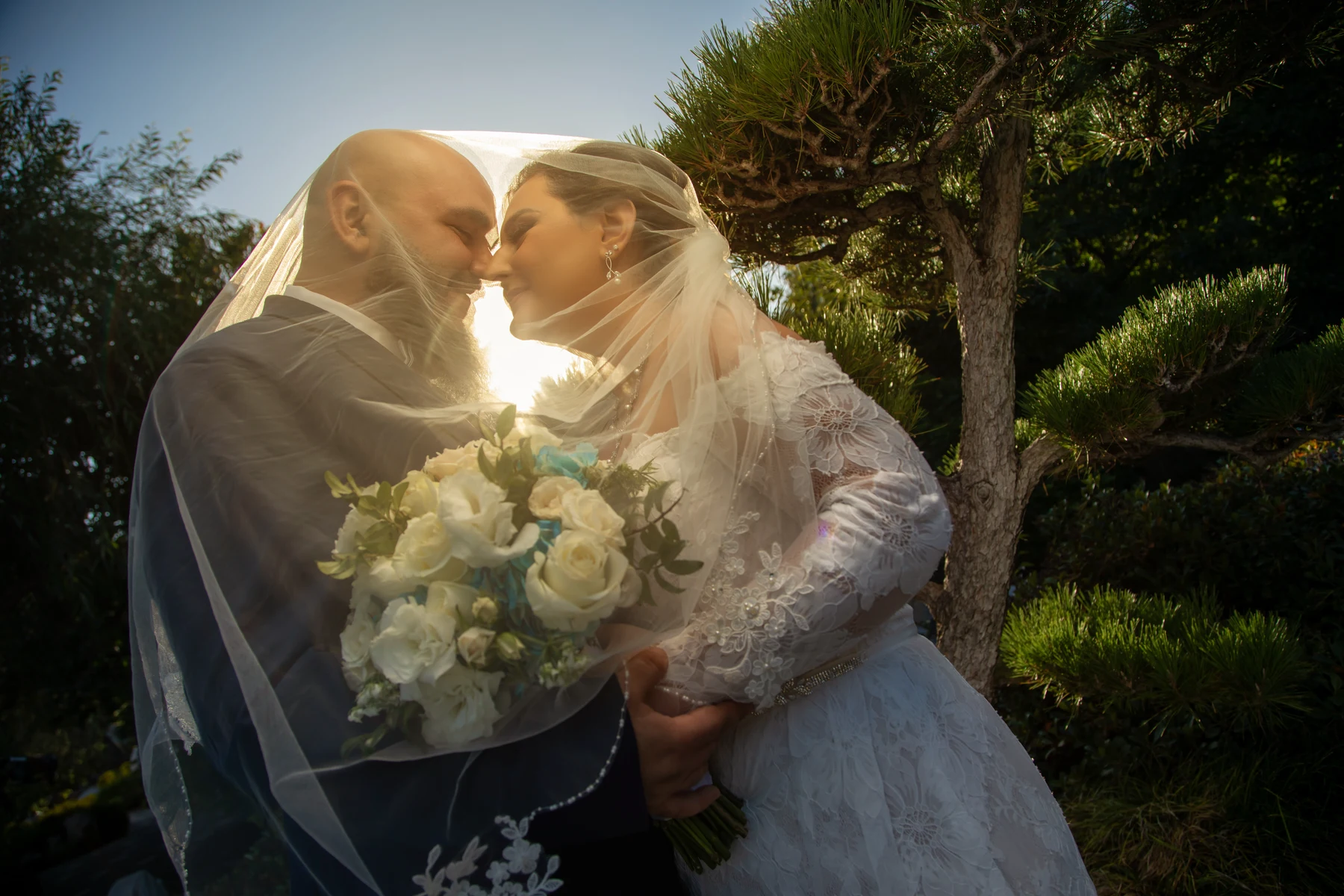
Persian & Iranian Wedding Photographer and Cinematographer in Los Angeles
I'm Connery Davoodian. I've been shooting weddings in Los Angeles for 17 years, and a good number of those have been Persian and Iranian. If you're reading this, you're probably either from the culture and tired of explaining it to vendors, or you're marrying into it and want someone who won't be lost when the sugar cones come out. Either way, this page is written for you, in plain language, so you can tell in five minutes whether I actually know the day or I'm just using the right keywords.
Here's my blunt starting position: a photographer who doesn't understand the aghd will treat it like an American ceremony and blow it. The most important, most photographed moment of a Persian wedding often happens in the afternoon, on the floor, with the couple facing a mirror and their backs to half the room. If your shooter is standing where they'd stand for a church aisle, they've got the wrong angle for the entire ceremony.
The sofreh aghd, and why I shoot it before anyone sits down
The sofreh aghd is the spread laid out on the floor or a low table where the ceremony happens. Every item on it means something, and families spend real money and real love assembling it. There's the mirror of fate (aineh-ye bakht) and two candelabras, so the couple's first look at each other in the glass is caught by candlelight. There's honey, for a sweet start — the couple dip a finger and feed each other. There's esfand (wild rue) burning to ward off the evil eye, decorated eggs and nuts for fertility, flatbread and herbs and cheese, and the sugar cones (kalleh ghand) that two happily married women grind together over a fine cloth held above the couple's heads.
I photograph the sofreh in full, clean, and beautifully lit before guests arrive and before anyone's shadow falls across it, because once the ceremony starts you cannot re-stage it. Then I shoot the details during setup and again the finished table with the couple seated. I know which items matter to which families, and I've learned not to assume — some spreads center a Quran, others a book of Hafez or the Shahnameh, and I've shot both without a lecture from anyone. Knowing the objects means I'm ready for the honey moment and the cloth-and-sugar moment instead of reacting a half-second late.
Aghd versus jashn: the day runs on its own clock
The aghd is the marriage ceremony and the signing of the contract. The jashn is the celebration — dinner, dancing, the long night. These are two different events with two different energies, and sometimes two different rooms or even two different days. During the aghd there's the running joke where the officiant asks the bride if she consents and someone answers that she's gone to pick flowers, twice, before she finally says baleh. If your photographer doesn't know that beat is coming, they miss the laughter on every face in the room.
The timing is nothing like an American wedding, and this matters for light and for how many hours you book. American weddings tend to front-load the ceremony and empty out by 10. A Persian jashn is just warming up at 10 and can run well past midnight, with the dance floor at its loudest after the older guests have said goodnight. That's why I tell couples not to copy a standard Los Angeles wedding timeline — yours is longer at the back end, and you should plan coverage for it. Most Persian couples I work with need real hours; read my take on how many hours of coverage you actually need before you decide. And unlike the crews who quietly leave LA receptions at 9:30 or 10:30, I'm staying for the knife dance and the last hour of the floor, because that's where your best frames are.
The knife dance, the cake, and honoring the elders
Before the cake gets cut, someone — often an aunt or a cousin who can move — takes the cake knife and dances it around, and the couple has to negotiate, tip, or charm it back before they can cut. It's playful, it's fast, and it's a gift to a photographer who's paying attention and a missed moment for one who isn't.
The other thing I never rush is the family portraits. Persian and Iranian families expect the elders honored — grandparents, and often extended aunts, uncles and family friends who are treated as family. I build time for this and I direct it warmly, because these are the pictures that get printed and framed and looked at for 40 years. If you want to understand my approach to the formal-versus-real balance, I wrote about wanting both candid and posed coverage — the elders get the dignified posed frames, and the dance floor gets the unposed truth.
The venues where I've actually worked these weddings
Persian LA lives in Westwood, Beverly Hills, Encino, Tarzana and out across the Valley, and the receptions land in a familiar set of banquet halls. Here's what I actually know about shooting a few of them:
- Taglyan Complex (Hollywood) — a big, ornate luxury ballroom that a lot of Persian and Armenian families choose. The chandeliers are gorgeous but they're warm and dim; I shoot it with fast glass and controlled flash so faces don't go orange under all that gold.
- Anoush Landmark (Mission Hills) — an LA Banquets hall built to seat 850-plus, made for exactly the guest count these weddings run. Big room, long dinner service, late dancing — I plan my movement and my batteries for the full night.
- Glenoaks Ballroom (Glendale) — another LA Banquets room in the heart of the Glendale banquet scene. I know the load-in and where the light is workable for the sofreh setup.
- De Luxe Banquet Hall (Burbank) — three rooms, so I confirm which one you're in and scout the ceremony corner in advance, because the aghd angle changes room to room.
- Castaway (Burbank) — the hillside view is the reason to be there; I get couples out for portraits at the right window before the light drops behind the ridge.
- Skirball Cultural Center (Los Angeles) — cleaner, more modern lines, and a favorite for families who want the aghd outdoors in daylight. Beautiful, but the timing has to respect the sun.
- Warner Center Marriott and Hilton Woodland Hills (Woodland Hills) — reliable Valley ballrooms close to Tarzana and Encino, easy for older guests to reach, and I know both floor plans.
The Valley traffic on the 101 and 405 is not a joke on a wedding afternoon, and I build my arrival around it so I'm never the reason the sofreh shot gets skipped.
One team for photo and film
Your photography and cinematography come from one team, not two vendors who've never met tripping over each other at the aghd. I shoot both, with a crew that moves as one — so the honey moment lives as a still and as a frame in your film, and nobody's blocking anybody's shot. If you're weighing whether you even want video, I've written honestly about the fact that we do both, as one team, and why that matters more at a wedding that runs this long and this full.
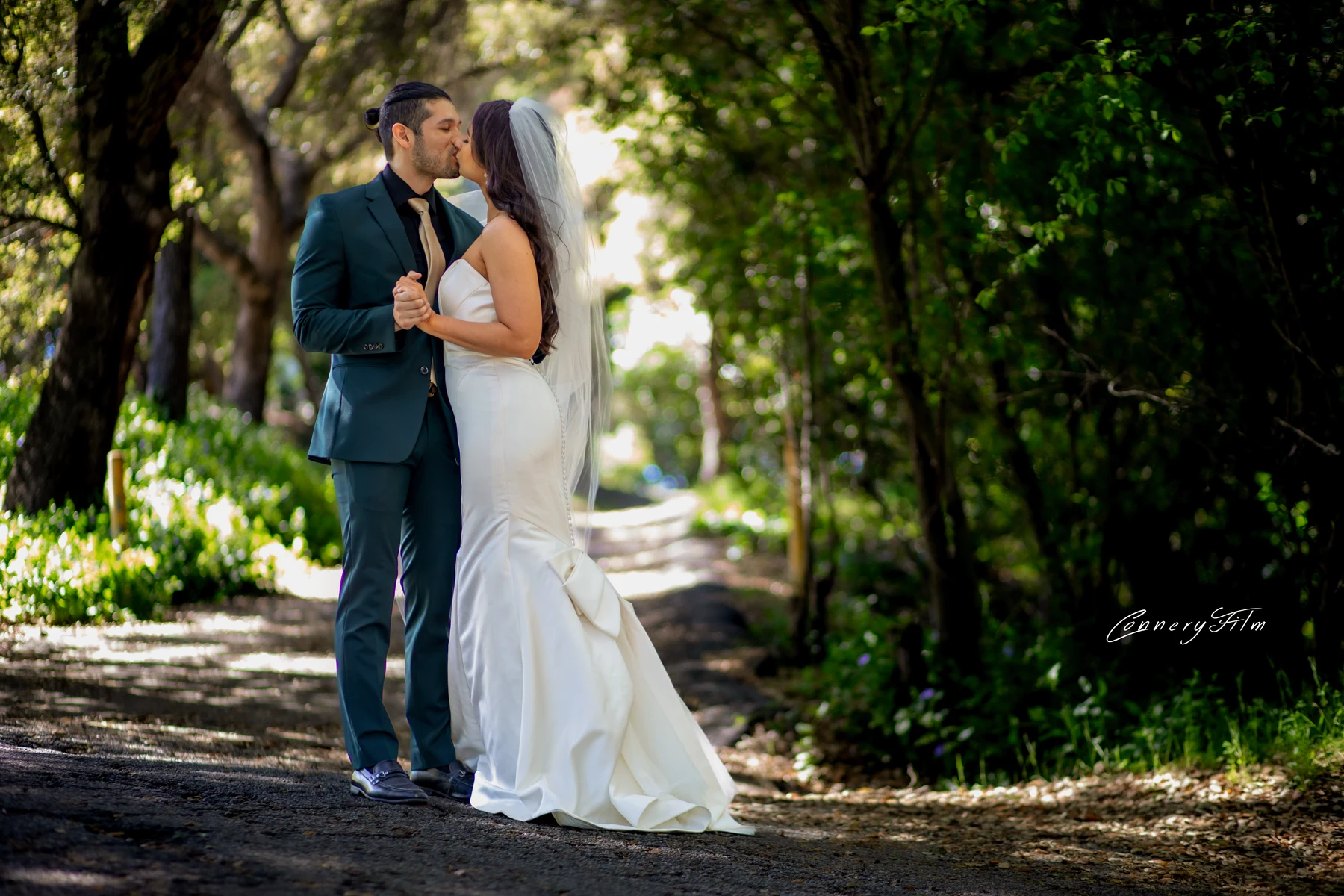
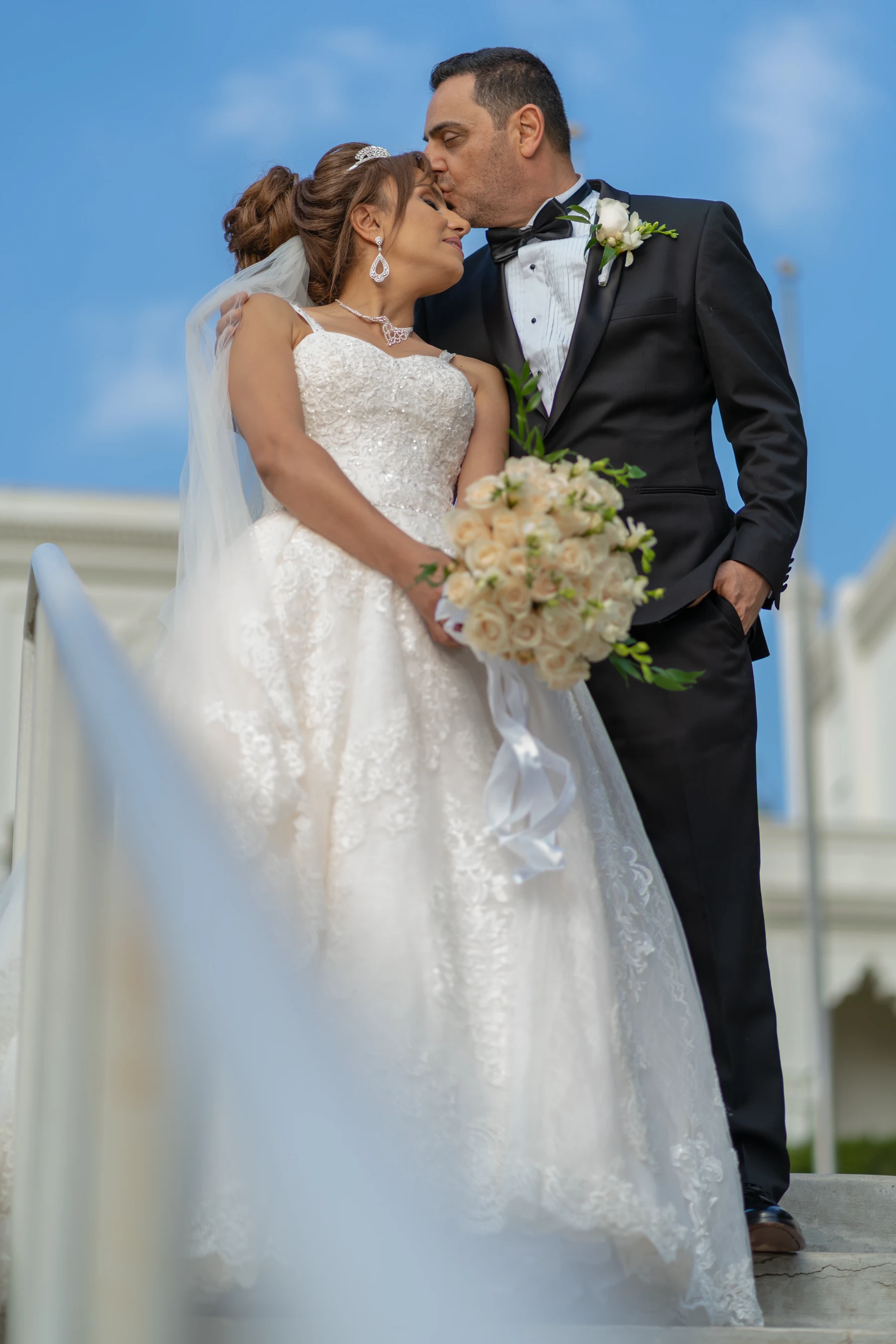
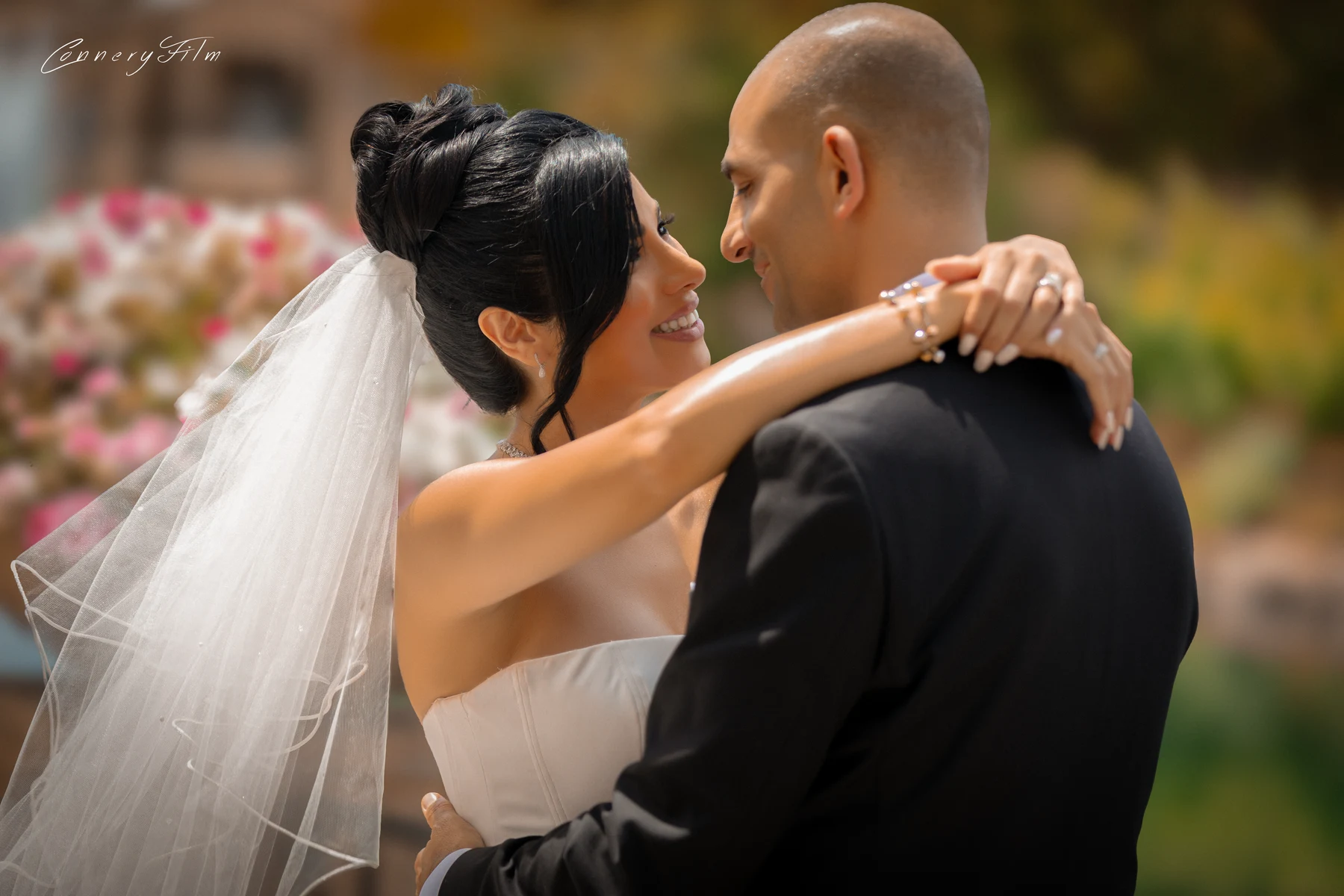
Recent work
FAQ
Do you know how the aghd actually runs?
Yes. I know the sofreh items, the mirror moment, the honey, the sugar cones ground overhead, the baleh borun with the bride "picking flowers," and I position for all of it without needing a briefing. Tell me your family's specific traditions and I'll adapt — I never assume every Persian family does it identically.
Will you stay for the late reception?
Yes. Persian receptions run past midnight and the dance floor peaks late. I book hours that match the real day and I don't slip out before the knife dance and the cake. If your night runs long, we plan the coverage for it up front.
Can you handle a very large guest count and big family portraits?
Yes. These weddings are often 300 to 800 guests. I build proper time to honor the elders and extended family in the formals, and I direct large groups efficiently so it doesn't eat your whole cocktail hour.
What if I'm marrying into the culture and don't know the customs?
Then I'm a useful person to have on your side. I'll quietly tell you what's coming next so you're not caught off guard, and I'll make sure the moments your partner's family cares about most are all documented.
If your day includes a sofreh aghd, a jashn that goes late, and a family that expects it done right, let's talk about your date and your venue. Call or text (818) 749-7039 or reach me through the contact page, and I'll walk you through exactly how I'd cover your wedding.