Jewish Wedding Photographer and Cinematographer in Los Angeles
I've spent 17 years photographing and filming weddings across Los Angeles, and a large share of them have been Jewish weddings — Reform, Conservative, Orthodox, and everything couples build for themselves when one partner is marrying into the culture. This page is for you if you want someone who already knows the order of the day, who won't need the rabbi to explain what the bedeken is, and who won't be fumbling for a lens when the glass breaks. I shoot both stills and film with one team, so you're not negotiating between a photographer and a videographer over who stands where during the ceremony.
Let me be blunt about why that matters. A Jewish wedding is not a Christian ceremony with a few extra rituals bolted on. The structure is different, the pacing is different, and the moments that matter most to the family are often the quiet, fast ones — a whispered blessing under a veil, a father's hands on his son's shoulders — not the kiss at the end. A photographer who doesn't know the tradition spends the day reacting a half-second late. That half-second is the photo.
The rituals, and where a photographer earns their place
Here is how the day tends to run, and what I'm actually doing during each part.
The ketubah signing. The marriage contract is signed before the ceremony, usually in a smaller room with the couple, witnesses, close family and the officiant. It's intimate and it's emotional — often the first time the two of you are together that day. I shoot this quietly, from the edges, because a flash in someone's face here ruins it. The signatures, the witnesses' hands, the parents watching: those frames matter more than people expect.
The bedeken. The veiling. In many traditions the groom is walked in to look at his bride and lower her veil, confirming he's marrying the right woman — a nod to the story of Jacob, Leah and Rachel. This is loud, fast, and full of raw reaction. If I'm not positioned before it starts, I miss it, because it lasts seconds. I always ask the coordinator when the bedeken is happening and I'm there early.
The chuppah. The canopy the couple stands under, open on all sides, held by four poles or four honored people. It represents the home you're building. Composition-wise it's a gift and a trap — the structure frames you beautifully, but the officiant, the poles and the parents standing under it can crowd everyone out. I scout the chuppah placement against the light before guests arrive so I'm not shooting into a blown-out sky behind it. Timing the ceremony against LA's short golden hour is something I plan for weeks ahead, not on the day.
The breaking of the glass. The groom (or both partners) stamps on a glass, everyone shouts "Mazel tov," and the room erupts. There is exactly one chance at this. I shoot it on a fast shutter with a second angle rolling on video, because the foot coming down and the faces after are two different pictures and you want both.
The yichud. The couple's private time immediately after the ceremony — the first minutes alone as a married couple. I don't shoot inside it. What I do is use that window efficiently for family formals and for a bit of couple's portraiture right after, so we're not stealing an hour from your reception. A focused shot list keeps this tight.
The hora. The chair dance. This is the most physically demanding thing I photograph all night — chairs going up, a fast-moving circle, low light, and a real chance of someone tipping. I shoot it wide to hold the whole circle and the lifted chairs, then move in for faces. This is where couples who hired a cheap shooter end up with blurry, dark frames. Fast glass and knowing where the lift happens is the whole game.
Shabbat and Orthodox weddings: planning around the restrictions
If your wedding is more observant, photography and electronics may not be permitted during Shabbat or during certain parts of the ceremony. I've shot enough of these to plan around it instead of fighting it. That usually means capturing the ketubah and getting-ready coverage before sundown, respecting the ceremony as camera-free where required, and being ready the moment restrictions lift for the celebration. I ask these questions at the consultation, not the week before. If your family keeps Shabbat, tell me early and we build the entire timeline around it — including when I arrive.
I also shoot b'nai mitzvah — bar and bat mitzvahs — across the Westside, Pico-Robertson, Beverly Hills and the Valley congregations. Same principle: I know when the aliyah happens, I know the parents want the Torah moment and the candle lighting, and I know the party is a different animal from the service.
Venues I know for Jewish weddings around LA
These are places I've actually worked or scouted, with things worth knowing before you book.
- Skirball Cultural Center (Los Angeles) — a Jewish cultural institution right off the 405 in the Sepulveda Pass. The architecture and courtyards photograph beautifully, but parking and the 405 mean guests and I both build in traffic buffer. It's built for these events and the staff understand the rituals.
- Taglyan Complex (Hollywood) — a grand ballroom with a garden for the ceremony. It handles a big hora and a big guest count, and the in-house coordination keeps the timeline honest. The garden light in late afternoon is excellent for the chuppah.
- The Garland (North Hollywood) — hotel and garden with decades of weddings behind it. Good for couples who want the getting-ready rooms, chuppah and reception in one place so the day flows without transit.
- Four Seasons Westlake Village — a luxury resort that runs a polished event and gives me clean, controlled interiors for the ketubah and formals when the sun's already down.
- Hummingbird Nest Ranch (Santa Susana) — a Spanish villa ranch in the hills near Simi. Dramatic outdoor space for the chuppah, but it's remote and the light drops fast behind the ridge, so I time portraits carefully.
- Calamigos Ranch (Malibu) — 240 acres of oak-shaded grounds; outside photographers are expected here, which suits how I work. Multiple ceremony sites mean scouting the chuppah spot against the tree cover matters.
- The Majestic Downtown (Los Angeles) — a historic bank building with a soaring ballroom. Beautiful for a candlelit reception, and the scale holds a large chair dance without feeling cramped.
- Redbird / Vibiana (Los Angeles) — a former cathedral downtown with a courtyard. Striking architecture, and I plan the breaking-of-the-glass angle carefully because the acoustics and crowd make the room electric.
Recent work
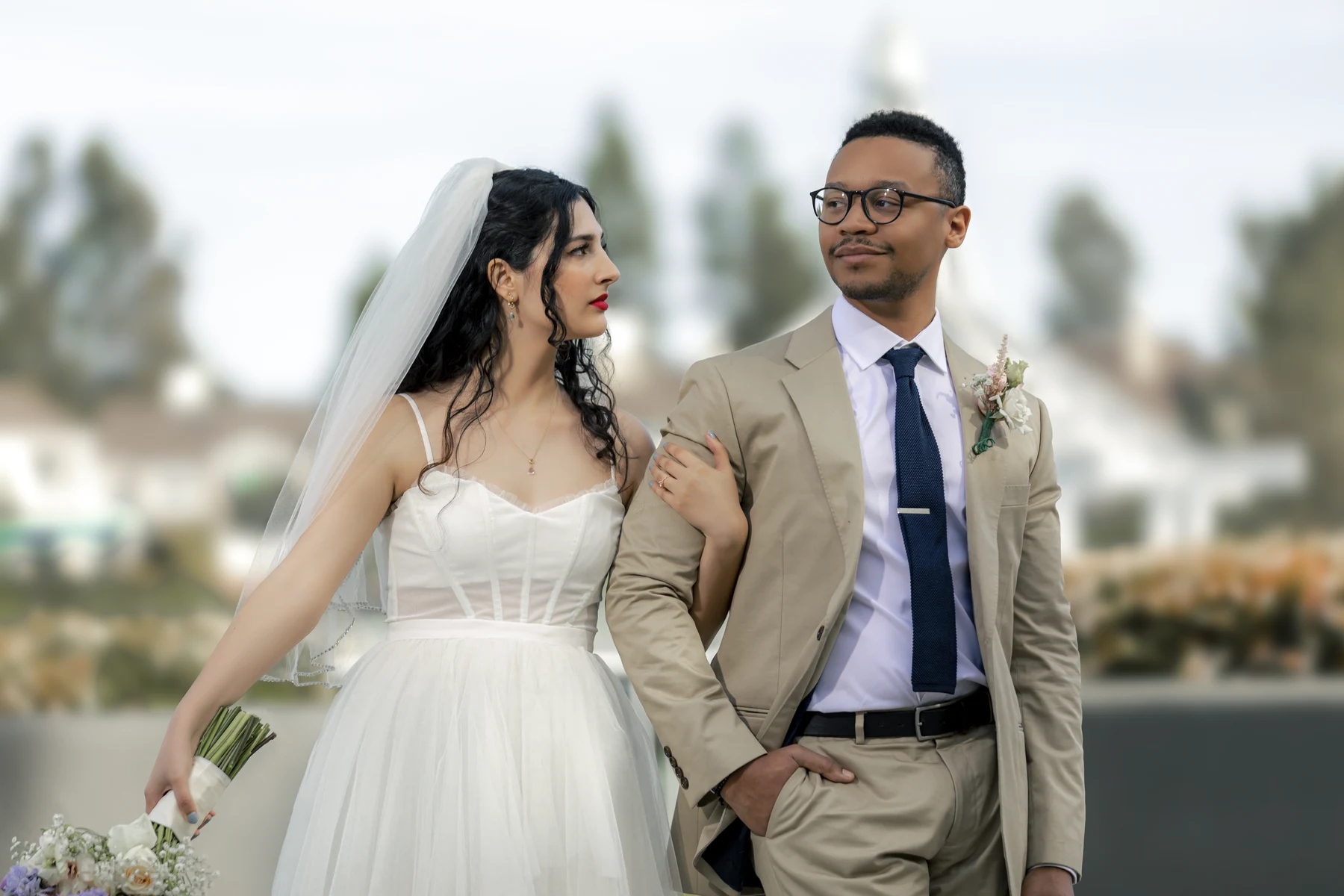
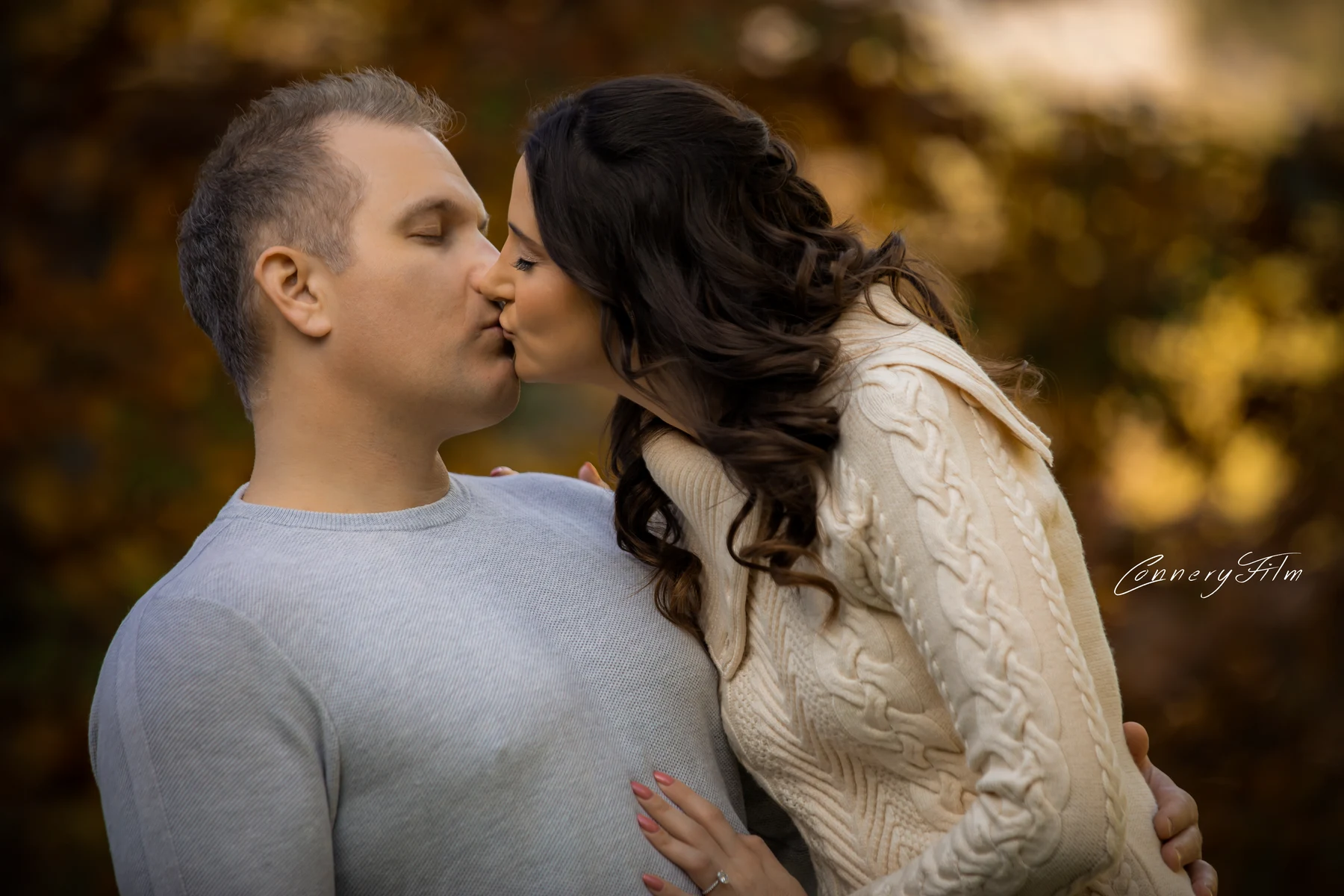
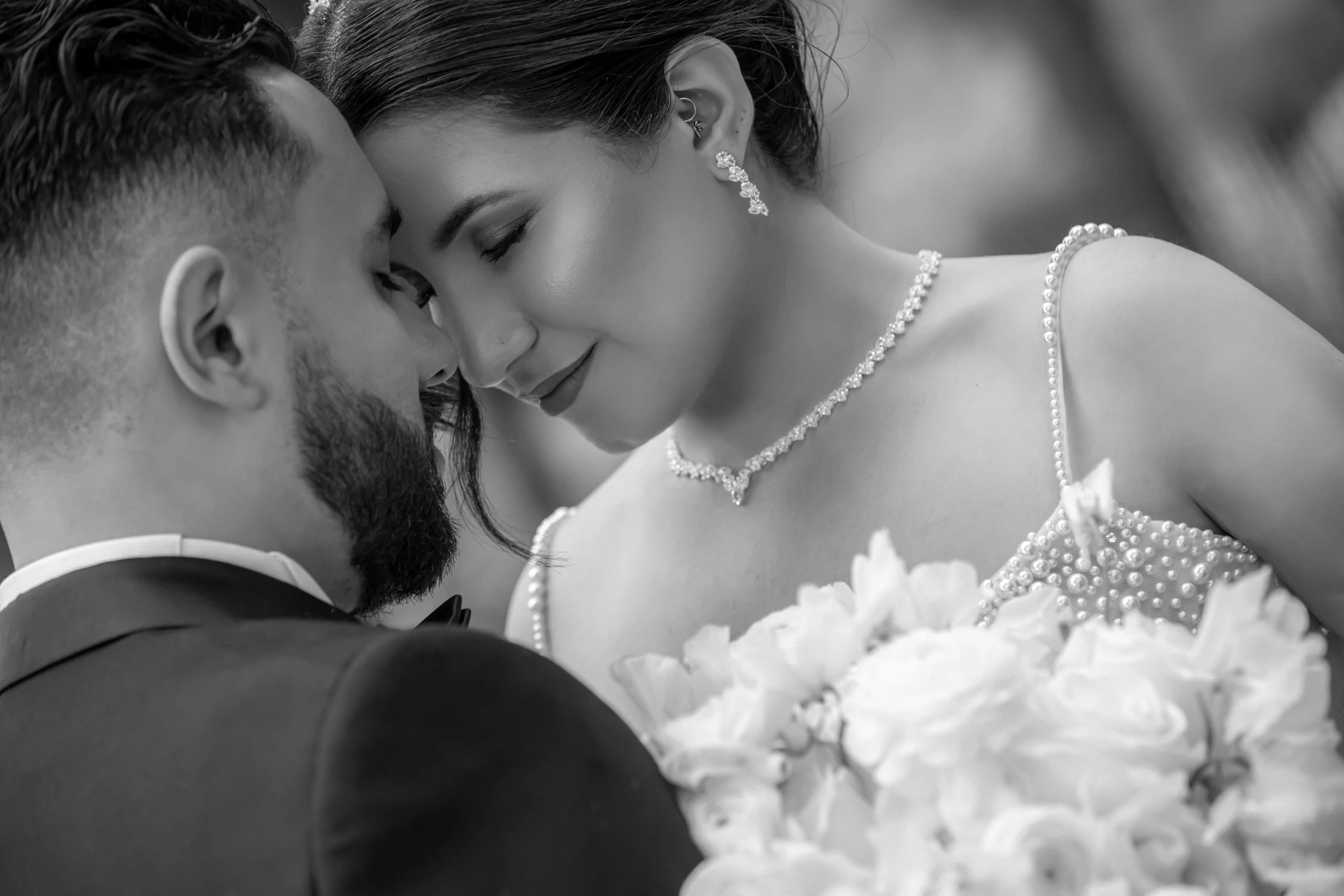
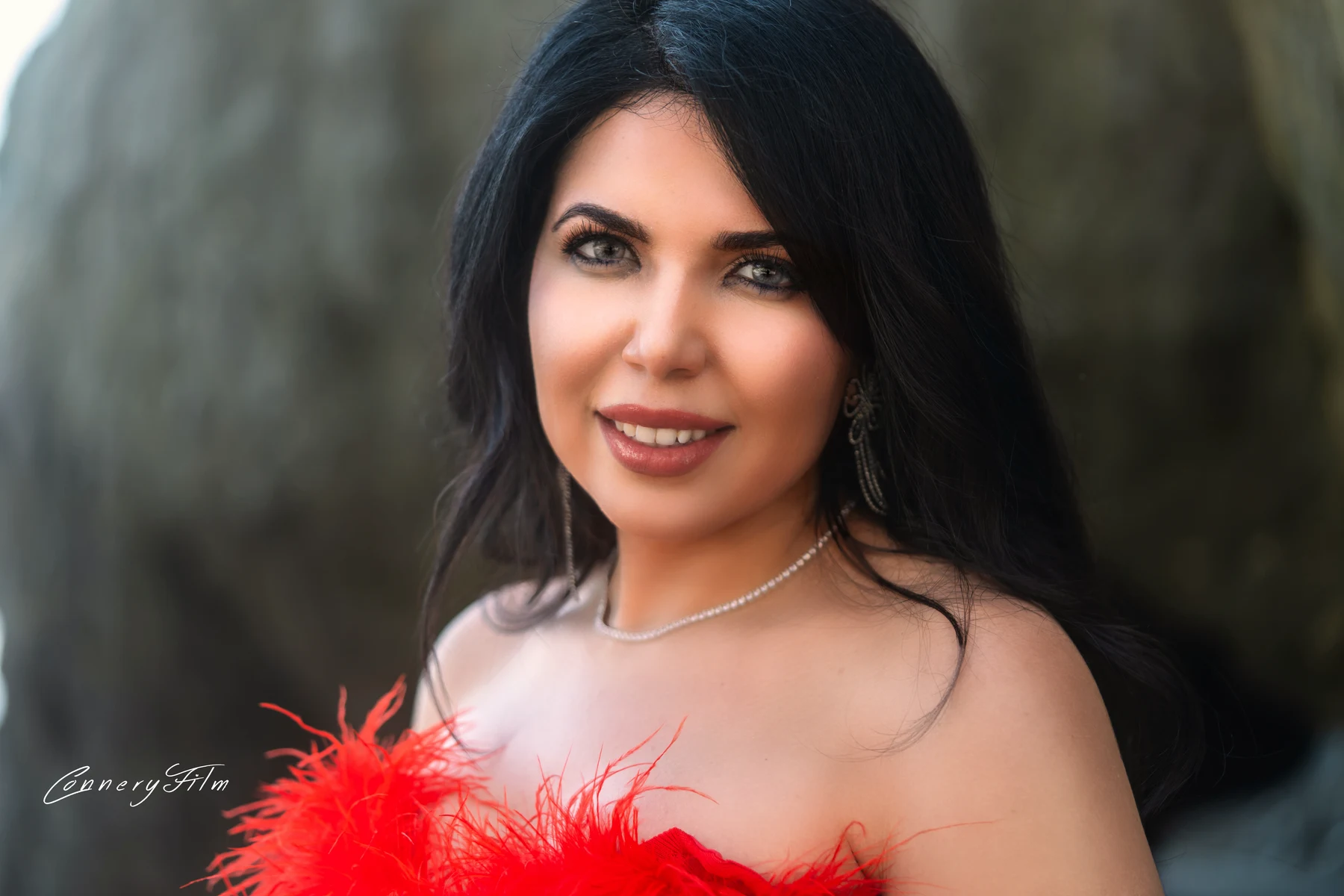
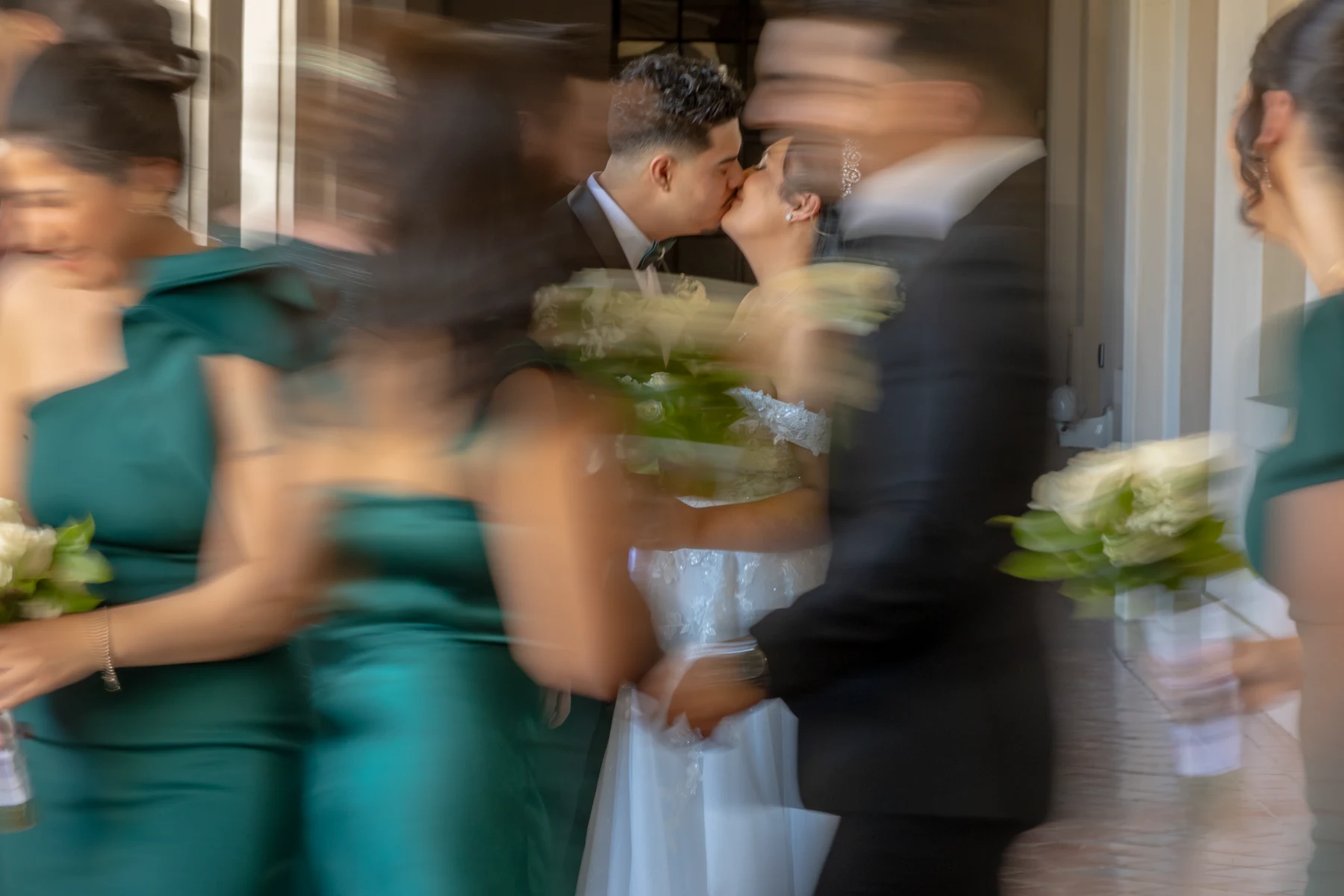
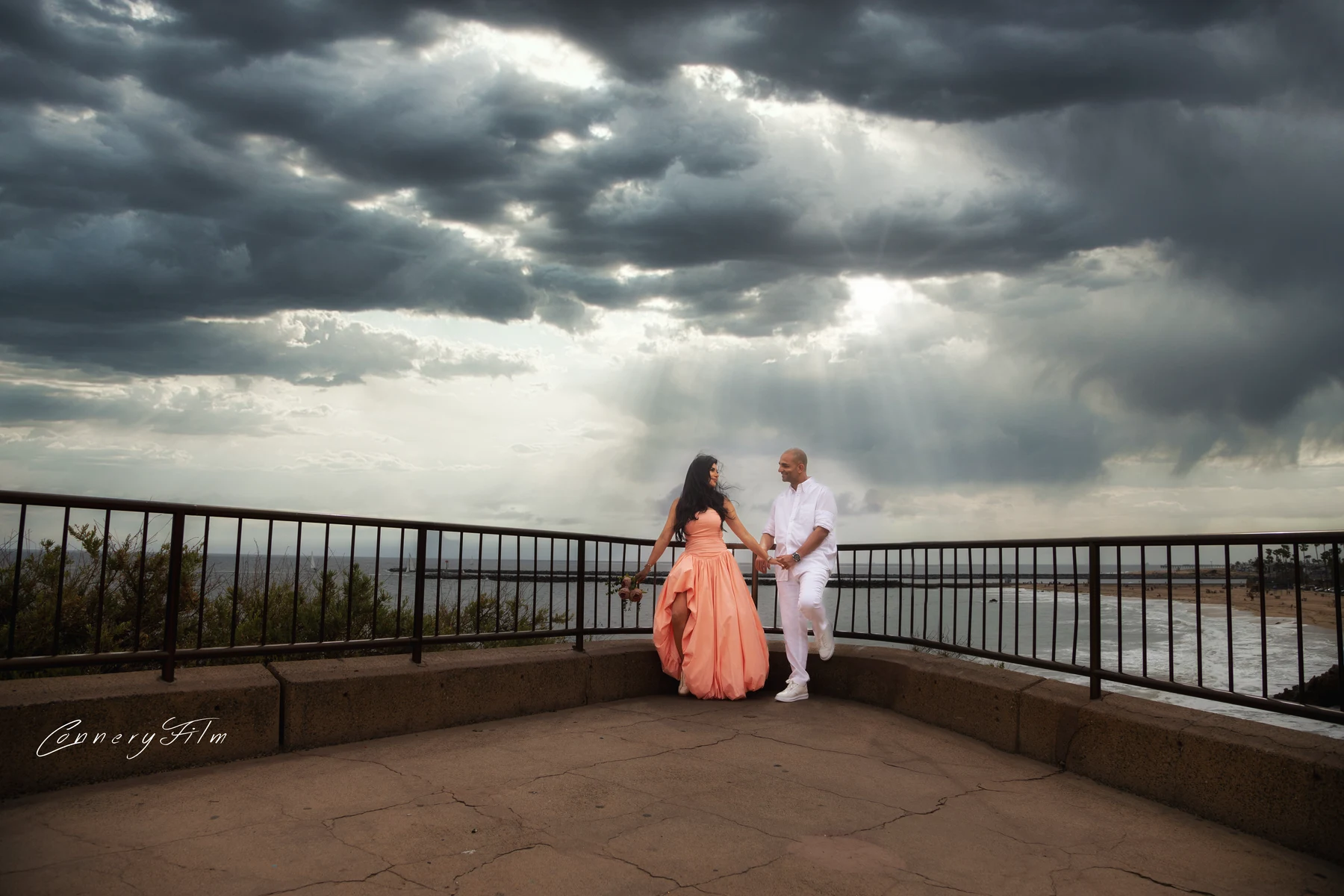
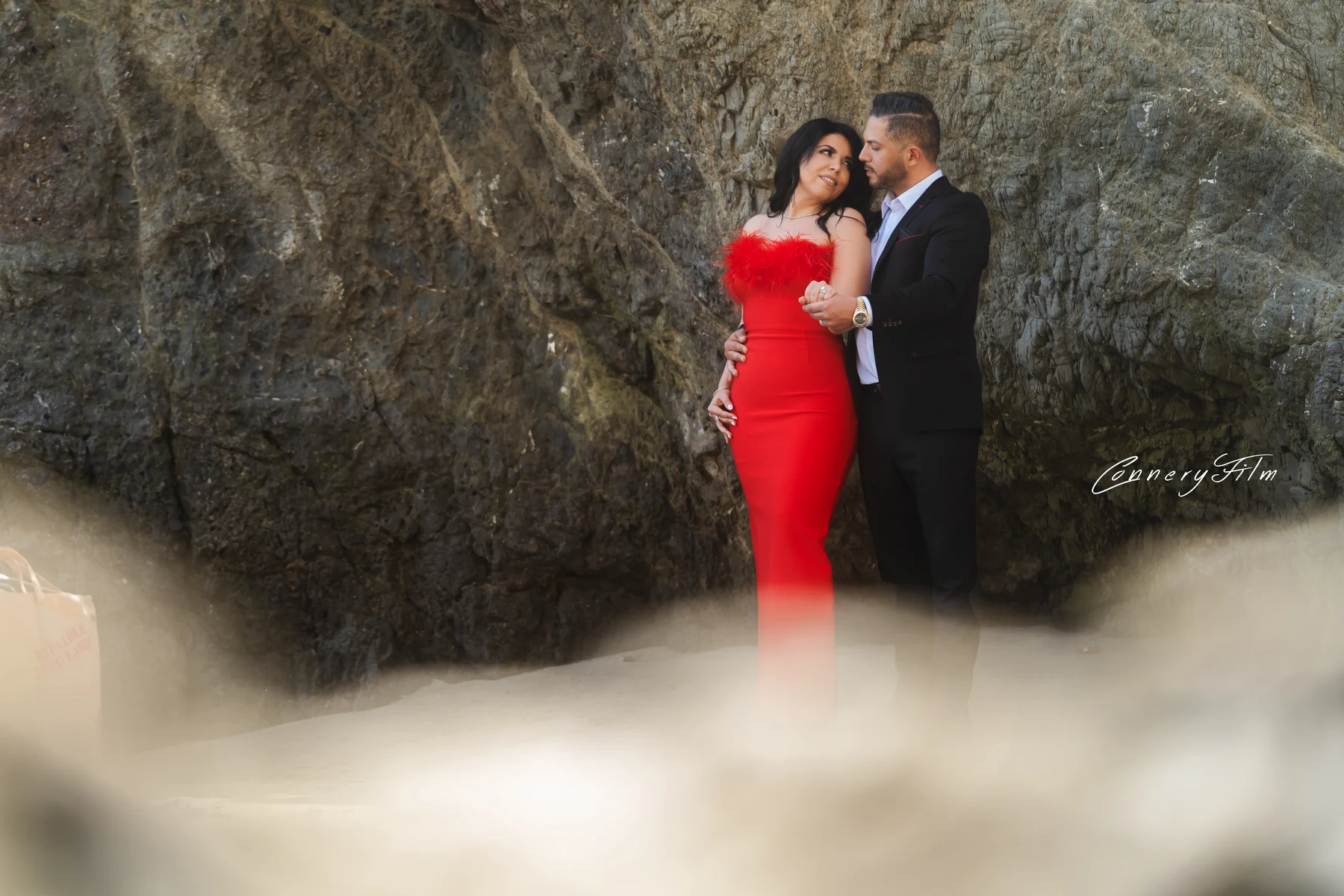
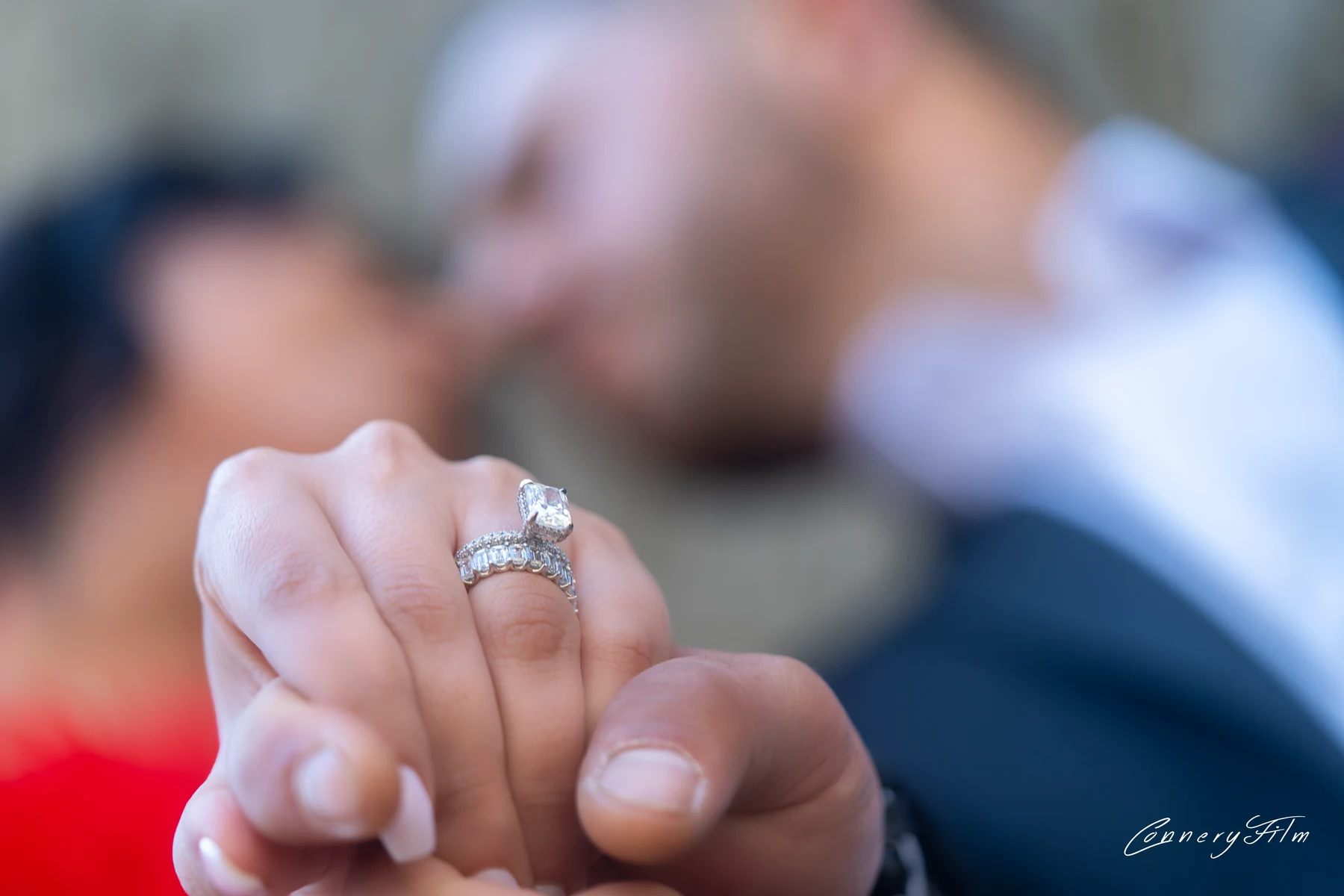
FAQ
Do you know the order of a Jewish ceremony, or will I have to direct you?
I know it. Ketubah, bedeken, processional, chuppah, the sheva brachot, the glass, then yichud and the hora. You brief me on your family's specific customs, and I handle positioning. You should never be managing your photographer on your wedding day.
Can you work within Shabbat or Orthodox photography restrictions?
Yes. I've done it many times. We shoot everything permitted before restrictions begin, I respect the camera-free portions completely, and I'm ready the instant celebration resumes. Tell me your observance level at the consultation and I'll build the plan around it.
Do you do both photo and video?
Yes — photography and cinematography from one coordinated team. That's a real advantage during fast rituals like the bedeken and the glass, where two separate vendors end up blocking each other.
Do you shoot b'nai mitzvahs too?
I do — bar and bat mitzvahs at synagogues and reception venues across the Westside, Beverly Hills, Pico-Robertson and the Valley. The service and the party need different approaches and I cover both.
If you want someone who already understands your day and will spend that day capturing it instead of learning it, let's talk. Call or text (818) 749-7039 or reach me through the contact page, and tell me your date, your venue and your family's traditions. Mazel tov — I'd be honored to be there.