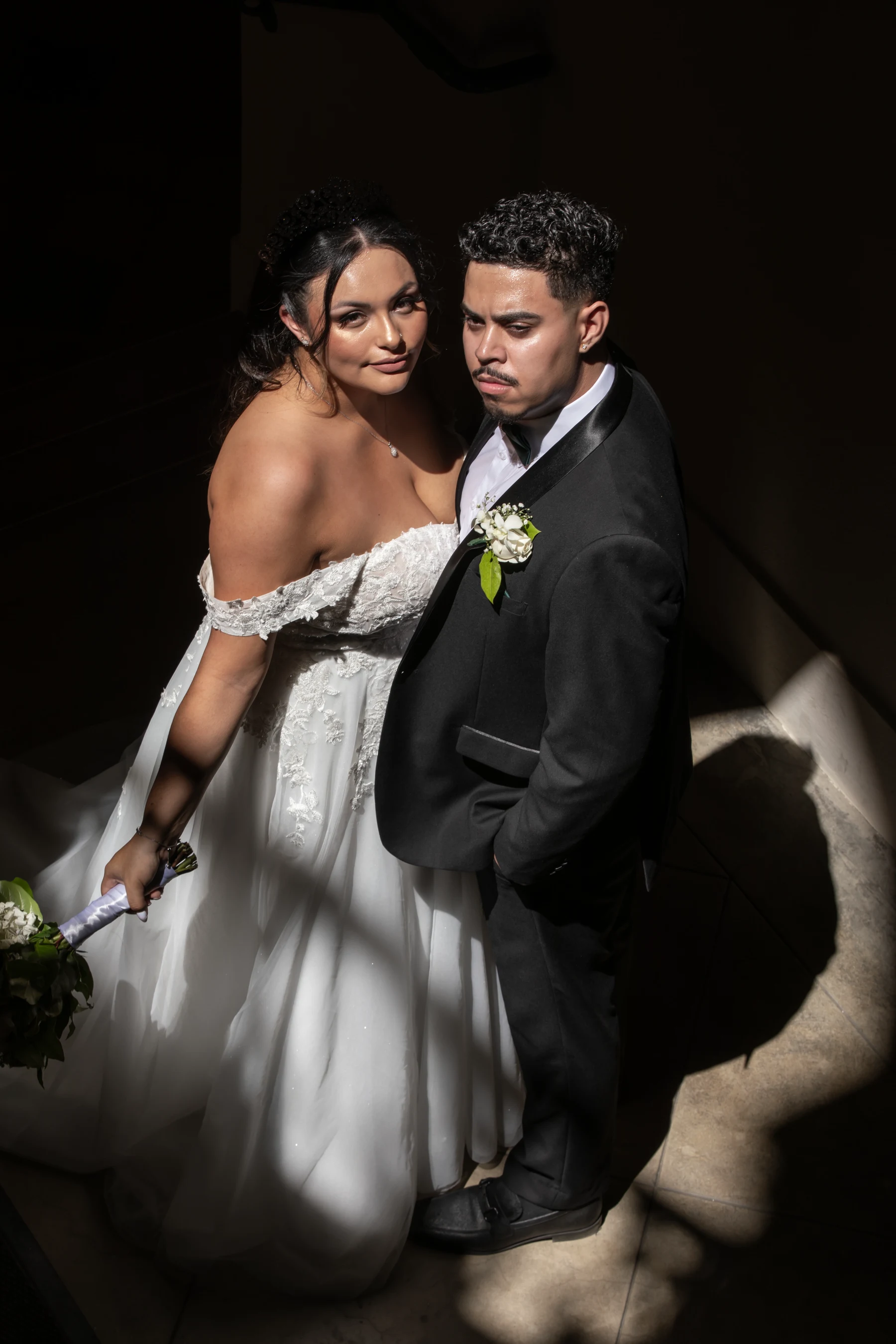
Every couple who sits down with me eventually asks some version of the same thing: what are the different wedding photography styles, and which one am I supposed to want? It is a fair question, and the honest answer is that the wedding industry has invented about twenty style names for roughly six real differences. I have been shooting weddings in Los Angeles for 17 years, and I can tell you that most of those labels are marketing. Six of them are not.
So here is the version I give couples over coffee: the six styles that genuinely produce different-looking pictures, what each one costs in this city, and who each one is actually right for.
Start with this: a style is a set of trade-offs, not a mood board
The reason style shopping goes sideways is that couples browse Instagram, fall for a look, and hire a photographer whose approach quietly contradicts how their day is built. A photographer who works in a slow, deliberate, heavily-directed style is wonderful at a 60-guest estate wedding in Malibu with a two-hour portrait window. Put that same person at a 250-guest Armenian wedding in Glendale where the dancing starts before the salad course and they will drown.
Every style trades something away. More art direction means fewer candid frames. More documentary coverage means fewer perfect ones. Darker, moodier editing means you lose skin tone accuracy. Nobody tells you this part, so I will.
1. Documentary (photojournalistic)
I follow the day and photograph what happens. No posing beyond family formals, no "hold that, look back at me." You get your mother's actual face during the vows, not a recreation.
What it costs in LA: $2,500 to $6,000 for eight hours from a working professional. It is not cheaper than other styles, despite what people assume — a documentary shooter has to be technically faster than everyone else because there are no do-overs.
Who it is right for: couples who hate being photographed, big loud family weddings, and anyone whose day is packed tight enough that a portrait session is a fantasy. Who it is wrong for: couples who want ten flawless magazine frames of themselves. Documentary gives you the truth, and the truth includes a blurry uncle.
2. Fine art
Deliberate, composed, quiet. Lots of negative space, careful backgrounds, light treated as the subject. A fine art photographer will move a chair, wait nine minutes for the sun to clear a building, and shoot 900 frames all day instead of 4,000.
What it costs: $4,000 to $9,000 in Los Angeles, and it is the style where the price gap is most defensible — you are paying for taste and patience, not shutter clicks.
The catch nobody mentions: fine art photography needs time on the schedule. If you want this look, you must give your photographer a real portrait block — 45 minutes minimum, ideally at golden hour. Which in LA in June lasts about 25 minutes, so build the timeline around the sun and not around your caterer.
3. Editorial (fashion-influenced)
This is the style people usually mean when they say "cinematic" without knowing it. Strong posing, directed hands and chins, often off-camera flash, magazine-spread energy. Think a rooftop in DTLA at blue hour with a light stand out of frame.
What it costs: $4,500 to $10,000, higher when a second shooter and an assistant carrying lights are part of the package.
I will be blunt: editorial is the style with the widest quality gap. Done well, it is stunning. Done badly, you look like two people who were told to stand there, and the flash flattens the venue you spent $30,000 on. Ask to see a full gallery from an editorial photographer, not a grid — that is where you find out whether they can do it for eight hours or for six frames.
4. Classic / traditional
The one people apologize for wanting, and shouldn't. Clean, well-lit, everyone looking at the camera, complete family group coverage, nothing weird with the color. This is the style that survives forty years and three generations of taste.
What it costs: $1,800 to $4,500 in LA. It is genuinely the most affordable serious style, because it is the most repeatable.
Honestly, I think the industry has been unfair to traditional photography. The pictures that get pulled out at funerals and anniversaries are almost never the moody ones — they are the frames where you can see everyone's face clearly. If your parents are footing part of the bill and asking for group shots, they are not being unsophisticated. They are being right.
5. Dark and moody vs. light and airy
Two names, one decision, so I am counting them as one style: how your photographer processes color. Light and airy means lifted shadows, low contrast, creamy skin, a slightly washed pastel palette. Dark and moody means crushed blacks, deep greens, heavy contrast, film-like grain.
This does not change the price. It changes everything about how the pictures feel, and it is close to irreversible — you cannot take an airy gallery and make it moody later without wrecking the skin tones.
One LA-specific warning: dark and moody editing fights our light. We shoot in a city with brutally clean, hard sun and pale stucco. A moody preset that looks incredible in an Oregon forest turns a Pasadena garden ceremony into mud at 2 p.m. If you want moody in Los Angeles, hire someone who has actually delivered it here, at the kind of venue you booked.
6. Film photography
Real film, in a real camera, developed at a lab. It renders highlights and skin in a way digital still cannot quite fake, and it forces a slower, more thoughtful pace.
What it costs: expect $1,000 to $2,500 on top of a digital package, because film and processing are a hard cost — figure $18 to $25 per roll shot and developed, and a wedding eats 25 to 40 rolls. Turnaround also stretches: four to six weeks minimum, sometimes ten in peak season.
Almost nobody shoots film only. The realistic version is a hybrid photographer who covers the day digitally and shoots two or three hundred film frames for the portraits. I go deeper on that trade-off in the film versus digital comparison, but the short version is: hybrid is the sane choice, film-only is a leap of faith.
What I'd do if it were my wedding
I would pick documentary as the base and buy one hour of directed portraits on top of it. That combination covers the two things couples actually grieve when they are missing: the real reactions, and a handful of frames where you both look incredible. Almost every good photographer works this way anyway, which is why the candid versus posed debate is mostly a false choice.
Then I would stop shopping for a style and start shopping for a person. Styles are a filter, not a decision. Once you have three photographers whose galleries you love, the deciding factor is who you want standing three feet from your face during the vows.
How style interacts with video, which nobody plans for
Here is a real problem I see every season: a couple books an airy, quiet fine art photographer and a videographer who shoots hard-contrast, high-drama footage. The photos and the film look like they came from two different weddings, because they did.
At ConneryFilm I shoot both — photography and cinematic film under one roof, one team, one timeline — specifically so this does not happen. The color grade on the film matches the edit on the gallery, and neither department is elbowing the other out of the aisle during your first look. If you do hire two separate vendors, at minimum get them on a call together before the day and make sure they agree on the look and on who stands where.
Questions couples ask me about photography styles
Can one photographer shoot more than one style?
Most good ones can shoot two well. Almost nobody shoots all six well, and anyone who claims to is showing you an average of everything. Look at whether their full galleries are consistent — consistency is the real proof of skill.
Does style change how many photos I get?
Considerably. Documentary coverage of an eight-hour LA wedding typically delivers 500 to 800 edited images. Fine art might deliver 300 to 450 from the same day, because the photographer shot with intent instead of volume. Neither is wrong, but ask the number before you sign.
Which style is the cheapest?
Classic and traditional, generally $1,800 to $4,500 for eight hours here. Film is the most expensive because of hard material costs. Everything else clusters in the $3,000 to $7,000 range, and I break the real math down in my Los Angeles pricing guide.
What if I like two styles and can't choose?
That is normal and usually fine — most weddings can carry a documentary spine with an editorial or fine art portrait hour. What does not work is asking for airy editing and moody editing in one gallery. Pick the color palette and commit. If you are still torn, this walkthrough on choosing a style is the exercise I give couples.
Should I let my photographer pick?
Yes, within their own style. Tell them the feeling you want and the three pictures from their portfolio you loved, then get out of the way. The couples with the best galleries I have ever shot are the ones who trusted the plan and then forgot I was there.
If you are somewhere in this decision and want a straight answer about which of these styles fits your venue, your guest count and your budget, I am happy to talk it through with no pitch attached. Call or text 818.749.7039, or take a look at recent weddings and packages at ConneryFilm.com — I would love to hear about your day.
Meet the Author: Connery Davoodian Hello, I'm Connery Davoodian, the visionary behind ConneryFilm, and I'm thrilled to share insights from my 17-year journey through the world of wedding photography and videography. My passion extends beyond simply capturing images; it's about artfully weaving your unique love story into a timeless, cinematic masterpiece. My artistic path began long before I ever picked up a camera, deeply rooted in music as a singer, songwriter, and multi-instrumentalist. This diverse background in directing, producing, and editing has cultivated a unique perspective, allowing me to approach each wedding not just as an event, but as a dynamic narrative waiting to be beautifully told. This blend of technical mastery and creative storytelling is the heartbeat of ConneryFilm, ensuring that every frame, every shot, and every film is infused with depth, emotion, and unparalleled artistic integrity. At ConneryFilm, we believe your wedding memories deserve nothing less than bespoke luxury. My philosophy centers on capturing the authentic, unscripted moments – the genuine smiles, the tender glances, the joyful laughter – that truly define your day. While we obsess over exquisite details and sophisticated aesthetics, our true joy comes from making you feel completely at ease, like a "friendor" who genuinely celebrates alongside you. This calm, organized presence allows your true personalities to shine, resulting in images and films that are as real and vibrant as your love itself. Based in the heart of Los Angeles, California, my team and I are privileged to serve couples across the globe, bringing our signature high-end wedding photography and videography to destination weddings worldwide. Through these blog posts, I aim to share invaluable insights, luxurious inspiration, and practical, fun advice to guide you through your wedding planning journey, helping you make informed decisions about preserving your most cherished moments. Thank you for trusting ConneryFilm to be a part of your extraordinary adventure. I'm excited to share my knowledge and passion with you, helping you create memories that will last forever.