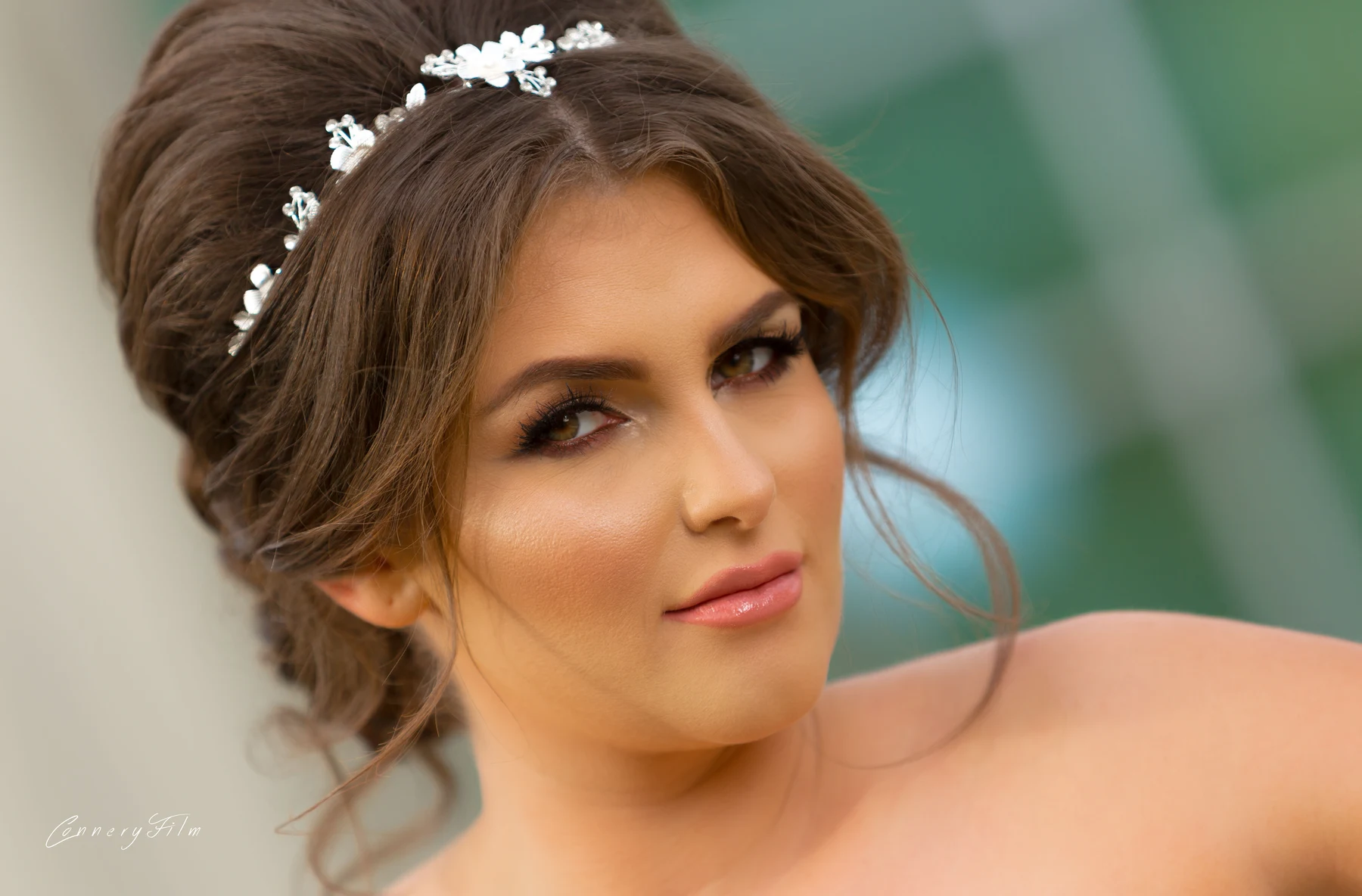
People ask me what camera I shoot with all the time. Almost nobody asks what wedding photographers use to edit photos — and honestly, that's the part that turns a raw file into the image you actually cry over. I've been shooting and editing weddings around Los Angeles for 17 years, and I promise you the edit is where the magic lives. So let me pull back the curtain and show you exactly what's on my screen after your wedding, and why it matters for what lands in your gallery.
The blunt answer: Lightroom, Capture One, and Photoshop
If you strip away the mystery, most professional wedding photographers in LA are living inside three programs. Adobe Lightroom Classic is the workhorse. Capture One is the color-nerd's favorite. And Adobe Photoshop is the scalpel we bring out for the handful of images that need real surgery.
Here's how I actually use each one:
- Lightroom Classic — This is where 90% of your wedding gets edited. Exposure, white balance, color, contrast, cropping. It handles thousands of RAW files without choking, and it lets me copy a look across a whole sequence in seconds. When your ceremony has 400 frames shot in the same light, that speed is everything.
- Capture One — Some photographers swear by it for skin tones and tethered studio work. The color engine is gorgeous. I keep it in my toolkit, but for the volume and variety of a real wedding day, I still lean on Lightroom for the bulk.
- Adobe Photoshop — This is for the specific images that need it. Removing an exit sign from a ballroom wall. Cleaning up a stray hair across the bride's face. Swapping a closed eye from a burst of group-portrait frames. Not every photo, just the ones that deserve the extra 20 minutes.
I'll be blunt: if a photographer tells you they "only use presets" and nothing else, be a little skeptical. Presets are a starting point, not the whole job.
Before any editing happens, there's culling
Nobody warns couples about this step, but it's the biggest time-sink of the whole process. Before I touch color, I have to go through every single frame and choose the keepers. That's culling.
A full LA wedding day — say eight hours from a getting-ready suite in Beverly Hills to a reception exit in Malibu — can produce 4,000 to 6,000 raw frames. My job is to cut that down to the 600 to 800 images that actually tell your story. For a sense of what that final number looks like, I wrote a whole breakdown on how many photos you should expect from your wedding photographer.
The tools I use for culling:
- Photo Mechanic — Ridiculously fast for flipping through thousands of RAWs and flagging the keepers. A lot of high-volume shooters live in it.
- Lightroom's own rating system — Stars and flags, for those of us who cull and edit in the same place.
- AI culling tools like Aftershoot or Narrative Select — These sort blinks, out-of-focus frames, and duplicates automatically. I use them to do the first rough pass, then I make every final call myself. A machine doesn't know that the "technically imperfect" shot of your grandmother laughing is the best photo of the night.
What editing actually does to your photos
When I'm editing a wedding, I'm not slapping a filter on and calling it done. I'm doing real work to make the image match what your eyes saw and what your heart felt. That includes:
- White balance and color correction — LA reception lighting is a war zone. Purple uplights, orange string bulbs, mixed daylight bleeding through a tent at a Malibu estate. Getting skin tones to look human across all of that is 80% of the battle.
- Exposure and contrast — Pulling detail back into a blown-out sky over a Palos Verdes cliff, or lifting shadows in a dim church.
- Color grading — This is the personality of your gallery. Warm and film-like, clean and true-to-life, moody and editorial. Your photographer's grade is their signature, and it's a huge part of choosing a wedding photography style that fits you.
- Retouching — Removing blemishes, softening a harsh shadow, cleaning distractions out of the frame.
Here's a real example. I shot a rooftop ceremony in Downtown LA at 4pm in July. Brutal, flat sun bouncing off the concrete, hard shadows carving up everyone's faces. The raw files looked harsh. In the edit I balanced the highlights, warmed the tones to match golden hour that was still an hour away, and softened the contrast on skin. The couple thought I shot it at sunset. I didn't. I fixed it in post. That's the part you're paying for.
Presets, LUTs, and why my look is consistent
Most photographers, myself included, build custom presets — saved recipes of adjustments. Companies like Mastin Labs, VSCO, and RNI make film-emulation presets a lot of us start from. But a preset that looks perfect on a bright beach shot in Santa Monica will look terrible on a candlelit reception in Pasadena. So the preset is step one, and then I adjust every single image by hand from there.
That's why your whole gallery looks like it belongs together instead of like 700 random photos. Consistency isn't an accident. It's hours at a color-calibrated monitor — mine's a calibrated screen, because editing on an uncalibrated laptop is how you end up with green-tinted photos that look fine to you and awful to everyone else.
Editing is why your photos take weeks to come back
When couples ask why photos aren't instant, this is the honest reason. Culling 5,000 frames, then hand-editing 700 of them, then retouching the highlights — that's dozens of hours of skilled work per wedding. Most LA photographers deliver galleries in four to ten weeks depending on their season and workload. I go deeper into realistic timelines in my post on how long it takes to get your wedding photos back.
If someone promises edited photos in 48 hours, ask what "edited" means. Sometimes it means a batch preset with no individual attention. That's a shortcut, and you can usually see it.
Why one team editing both your photos and film matters
Here's something I care about a lot. At ConneryFilm we run photography and cinematic video under one roof — one team, one aesthetic, one editing sensibility. When the same studio grades your photos and your wedding film, the color and mood match. Your images and your video feel like they came from the same day, told by the same voice, because they did. When you hire two separate vendors, your warm golden photos can clash with a cool, blue-graded film. That mismatch bugs me. If you're weighing whether to even hire a filmmaker, I made my case in my honest take on whether wedding videographers are worth it.
What I'd tell you if it were your wedding
Don't obsess over which software your photographer uses. Lightroom versus Capture One doesn't matter to your final gallery — the eye behind the tools does. Instead, look at their delivered galleries and ask two things: does the color look consistent across an entire wedding, and do the skin tones look natural in tricky light? If yes, they know how to edit. The program is just a hammer. You're hiring the carpenter.
FAQ
Do wedding photographers use Photoshop for every photo?
No. The bulk of editing happens in Lightroom, which handles color and exposure across whole galleries fast. Photoshop comes out only for specific images that need object removal, complex retouching, or a head swap in group photos — maybe 20 to 40 images out of a full wedding.
What's the difference between culling and editing?
Culling is choosing which photos make the cut from thousands of frames. Editing is adjusting the chosen images — color, exposure, retouching. Culling comes first, and it's often the most time-consuming part of the entire process.
Should I be worried if my photographer uses presets?
Not at all. Nearly every professional starts from a preset for consistency and speed. The concern is only if they apply one preset to everything and don't adjust from there. Good editing means each image is fine-tuned by hand after the preset is applied.
Can editing really fix bad lighting at my reception?
To a degree, yes. A skilled editor can correct color casts from uplights and balance mixed lighting. But editing can't invent detail that the camera never captured. That's why a photographer who lights and exposes well on the day gives you far better results than one who plans to "fix it later."
Why do my photos take weeks when the editing software is so powerful?
Because the software is powerful, not magic. A human still makes thousands of individual decisions — which frames to keep, how to grade each scene, what to retouch. That craftsmanship takes time, which is why quality galleries in LA typically arrive in four to ten weeks.
If you're planning a Los Angeles wedding and you want photos and a cinematic film that actually match — edited with real care by one team who was there all day — I'd genuinely love to hear about your day. Call or text 818.749.7039 or come see recent work and reach out over at ConneryFilm.com. Let's make something you'll still be staring at in thirty years.
Meet the Author: Connery Davoodian Hello, I'm Connery Davoodian, the visionary behind ConneryFilm, and I'm thrilled to share insights from my 17-year journey through the world of wedding photography and videography. My passion extends beyond simply capturing images; it's about artfully weaving your unique love story into a timeless, cinematic masterpiece. My artistic path began long before I ever picked up a camera, deeply rooted in music as a singer, songwriter, and multi-instrumentalist. This diverse background in directing, producing, and editing has cultivated a unique perspective, allowing me to approach each wedding not just as an event, but as a dynamic narrative waiting to be beautifully told. This blend of technical mastery and creative storytelling is the heartbeat of ConneryFilm, ensuring that every frame, every shot, and every film is infused with depth, emotion, and unparalleled artistic integrity. At ConneryFilm, we believe your wedding memories deserve nothing less than bespoke luxury. My philosophy centers on capturing the authentic, unscripted moments – the genuine smiles, the tender glances, the joyful laughter – that truly define your day. While we obsess over exquisite details and sophisticated aesthetics, our true joy comes from making you feel completely at ease, like a "friendor" who genuinely celebrates alongside you. This calm, organized presence allows your true personalities to shine, resulting in images and films that are as real and vibrant as your love itself. Based in the heart of Los Angeles, California, my team and I are privileged to serve couples across the globe, bringing our signature high-end wedding photography and videography to destination weddings worldwide. Through these blog posts, I aim to share invaluable insights, luxurious inspiration, and practical, fun advice to guide you through your wedding planning journey, helping you make informed decisions about preserving your most cherished moments. Thank you for trusting ConneryFilm to be a part of your extraordinary adventure. I'm excited to share my knowledge and passion with you, helping you create memories that will last forever.